Development by Design · DxD · 2021–present
Every organization
is also designing people.
Most just aren’t doing it intentionally.
I built a framework for designing the conditions people develop in, then turned it into a learning practice that schools and youth-serving organizations are now asking for.
Why I built it
Organizations design products, services and cultures carefully. Almost none design the developmental layer underneath.
DxD is a way to see it and design it on purpose.
Framework architecture
The layers of institutional design
the conditions people grow within
DxD · PhD research in Transition Design · CMU
The framework — three layers of developmental conditions
Layer 01 — Internal · Self
Cognition · perception · identity
How survival-based cognition shapes perception and decision-making. How stress, identity and history operate beneath the surface of professional behavior, producing the binary thinking, reactivity and narrowed imagination that organizations then try to manage.
Core inquiry
What conditions does this environment create inside the people within it?
Layer 02 — Relational · Team
Trust · communication · power
How trust, communication and power dynamics shape what gets said, decided and acted on. How relational patterns, often invisible, determine whether good thinking actually moves or stays trapped in individual awareness, never becoming collective action.
Core inquiry
What makes it safe — or unsafe — to think clearly and act with integrity here?
Layer 03 — Environmental
Structure · systems · narratives
How the designed conditions of an environment — its structures, incentives, narratives and architecture — shape behavior at scale. Left unexamined, these systems cause organizations to produce the very problems they end up reactively managing.
Core inquiry
What do our structures, incentives and stories make normal here — and did anyone design that on purpose?
What I built
A research framework, turned into a services portfolio with a curriculum, training levels and certification.
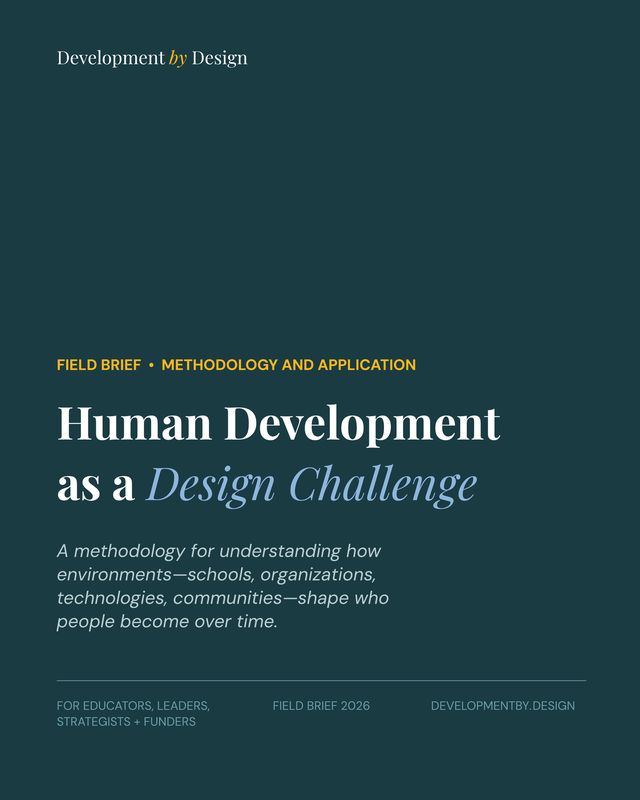
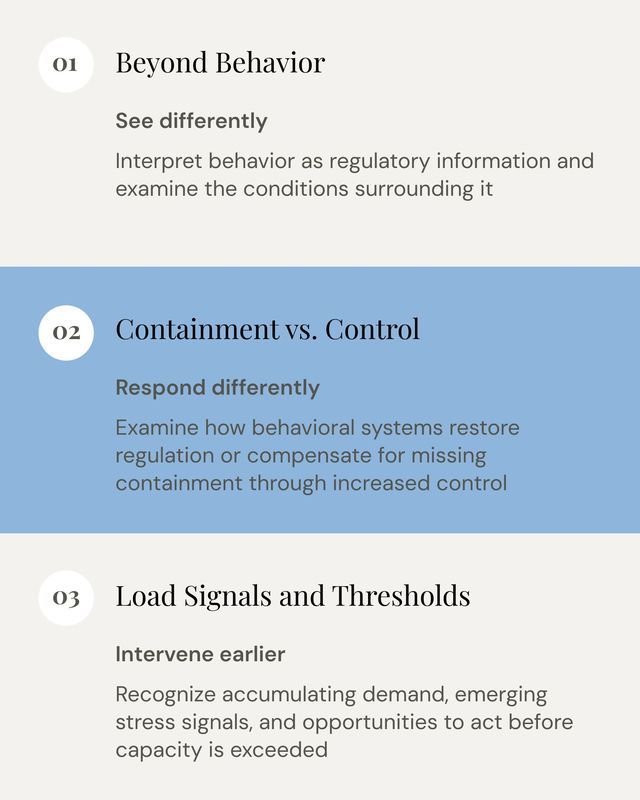
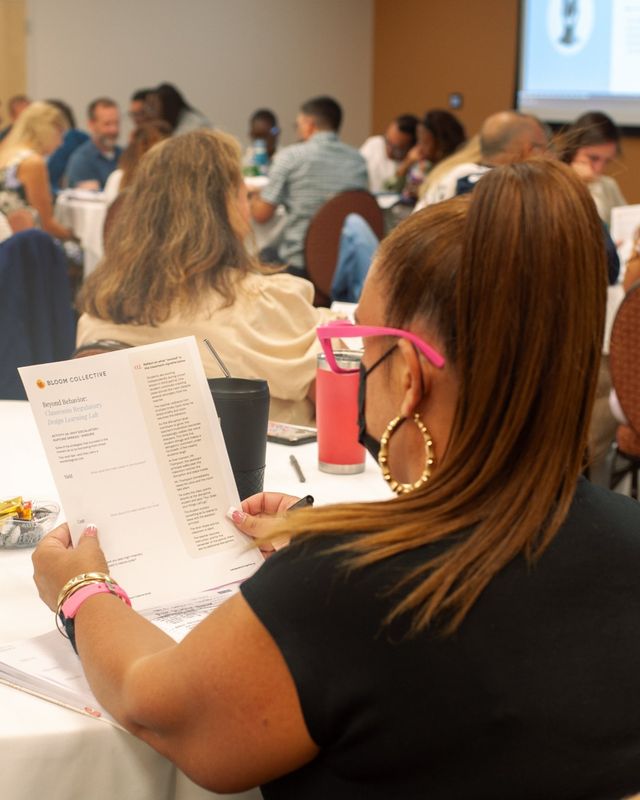
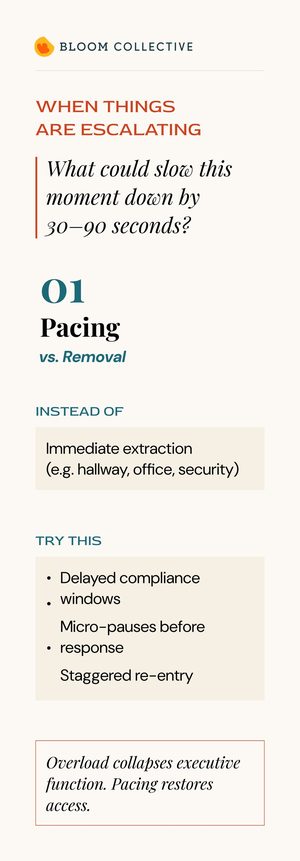
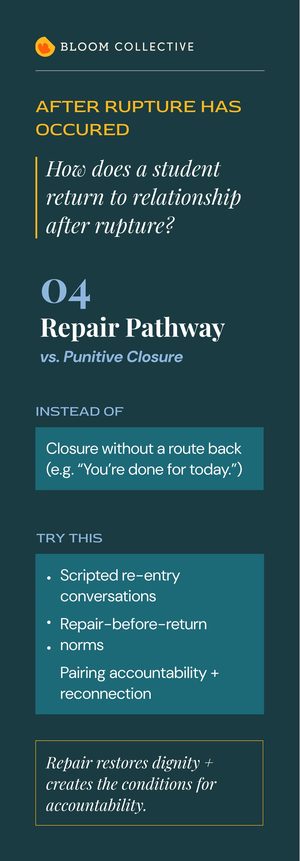
Development by Design arrives in schools and community organizations with a defined methodology and a clear theory of change, built to support the people doing the meaningful work of youth development, from practitioners to the leaders who guide them. The work is designed and delivered through Bloom Collective, the research and design nonprofit I founded.
Field-building chronology
2021–present
2021–22
Doctoral research begins
PhD in Transition Design at Carnegie Mellon: the first formal articulation of the DxD framework and its criteria.
2022–23
Applied fieldwork · K–12
Framework tested and adapted across public school systems, district councils and education centers.
2023–25
Corporate and academic environments
DxD applied to team development, cross-team alignment and organizational culture at scale.
2026
Public launch
A 6-session cohort course through the School of Radical Imagination, alongside the Developmentally Informed™ training pathways.
In the field
“This engagement provided a lens that has been sorely missing from our leadership team. I’m genuinely excited to bring this training to our staff and witness how this transforms the way we work and the impact it will have on our students and families.”
For your organization
Whatever you build, you’re also shaping people: the ones who use it and the ones who make it. I lead design for both.
Products: design that builds capacity, not just engagement. This matters most when your users are young or under strain.
Teams: organizations that hold up under pressure, because the conditions people work in are designed too.
Research to delivery: insight turned into something that ships. I’ve done it with my own service line.
DxD didn’t begin in academia. It started in practice, inside the enterprise, assessment and edtech organizations I was hired to help transform. Across those engagements, the same pattern kept surfacing: change stalled at the human layer. My doctoral research gave that pattern a name and a rigorous framework. The selected work shows where it began.
View selected work →